Sunday, September 28, 2014

India's Hardware Hunger- Made in India - Part 2(Telecom Industry)

In modern digital world, every nation’s sensitive information related to defense, banking, foreign policy, etc. are protected in cyber space. Country’s core assets such as power grids, financial and transport networks are fast getting connected to the internet and more official data are getting stored online.  With conventional warfare of armies fighting in land, sea, air became limited to few pickets; cyber warfare became a new battlefront in the world. By cyber warfare, nations often attack their enemies mainly for espionages and sabotage purposes. Using illegal exploitation of internet, telecom equipment and computer software, they stole the classified information of their enemies. Also certain groups engage in cyber terrorism (controversial term) through which they convey message to enemy nations by defacing their websites. In this cyber warfare prowess, china was repeatedly alleged to use its expertise to access highly confidential information relating to the national security of other nations, including India. How India prepared for this cyber warfare? How nation’s indigenous telecom hardware will play a vital role in this cyber warfare?


Frightening Examples
   
In middle of Feb 2014, there was viral news in Indian media about alleged hacking of telecommunication network tower belonging to state run telecom operator BSNL by Chinese telecommunication firm Huawei. Minister of communications and IT Killi Krupani then informed the Lok Sabha—the lower house of the Parliament of India—that the government has formed an inter-ministerial team to investigate the incident. At the end of the investigation, it was concluded that tower’s base station controller was hacked by Huawei engineers during up gradation process in Rajamundhary, Andhra Pradesh. Later Huawei issued an apology assuring actions will be taken so that similar instances won’t be repeated in future.


With National Security Agency (NSA) espionage episode in 2013, it was alleged that NSA widely used U.S manufactured internet routers to crack the online encryption standards. Disclosures by leaker “Edward Snowden” allege that US National Security Agency (NSA) and the UK's GCHQ cracked the encryption codes protecting the emails, banking and medical records of hundreds of millions of people. Later in April 2014, Cisco systems and Juniper networks agreed that their network equipment’s like routers, switches and security firewalls are highly vulnerable to infamous encryption bug namely “Heart Bleed” which was alleged to be implanted by NSA. Heart bleed bug exposed user names, passwords and other sensitive information of millions of worldwide customers. Through another Malware namely “FEEDTHROUGH”, NSA smuggled many hacking programs into mainframe computers which are running in Juniper Firewalls

Above mentioned incidents are glaring examples of how a telecommunication equipment can be used to hack the data for espionage and sabotage purposes. Thanks to India’s recent growth in information and communication technology (ICT), there is huge influx of foreign-made telecom equipments inside the country. Telecom equipment business in India is mainly controlled by five companies - Huawei, ZTE, Ericsson, Nokia Solutions Network and Alcatel. But still  equipments from Chinese firms like Huawei and ZTE occupy the majority. Initially, European and American manufacturers were supplying majority of such equipments, but in the last five years Chinese players have established their dominance in this area. BSNL had awarded a major part of its network expansion tender of about 10.15 million lines to Chinese company ZTE in 2012.As these equipment manufacturers never share any technical details, widespread usage of these foreign equipments in strategic telecom sector may lead to comprise of nation’s security. Also due to lack of indigenous players in this equipment production, India had to rely heavily on these foreign companies. 

First Indigenous Product

To address these potential threats, previous government announced an initiative to boost the local manufacturers related to telecom equipment. In one such initiative, Hyderabad-based Electronics Corporation of India Ltd (ECIL) joined hands with Premier Indian Institute of Technology to develop indigenous products. By October 2013, their joint partnership yielded a “State of Art” indigenous Carrier Ethernet Switch Router. This joint product was successfully installed and activated by the Mahanagar Telephone Nigam Ltd (MTNL) in Mumbai recently. This development touted to infuse new confidence among nation engineers to develop indigenous secure, low power telecom products. These cost effective technology products not only save foreign exchange, but also address security and secrecy issues in strategic areas of defense, process control, nuclear power, space, electronic security and e-Governance.


Indian Government's other Intiatives and Challenges ahead

In 2012, previous government also announced an initiative to boost local manufacturing; this preferential policy states that 30% of the orders of government departments would be reserved for local telecom equipment makers. But also the policy underlines that the local manufactured product need to add value addition of 25%.Current finance minister announced a proposal in his maiden budget. Proposal states that 10% basic customs duty would be imposed on specified telecom products that are outside the purview of the Information Technology Agreement (ITA).But this announcement did not receive overwhelm welcome from Indian telecom operators. Experts in this field say they may help in long term, but in short term this may add a big headache. More than 90% of telecom equipment are imported, and advanced technology products are no way available in the domestic market. As a consequence, imposition of duty would just increase expenses of the telecom companies, and would not increase domestic sourcing. Indian telecom operators, who are sitting on accumulative debt of Rs 2.5 lakh crore, import telecom equipment worth about $8-10 billion every year, and the imposition of 10% duty comes as an additional burden.


Local manufacturers also blame cost disadvantage of about 20-25% when compared to foreign companies. With lack of any indigenously manufactured IC components, components imported will bear  a duty ranging from 10% to 15%. Also Indian telecom equipment makers pay 16-18% interest on loans. so with zero import duty which existed before, Chinese products have 30% cost advantage. According to industrial experts, investment in telecom equipment will go up by staggering Rs 5,21,940 crore in 2020. India still lacks 4G infrastructure, if significant percentage of this infrastructure is build using local made equipment it will add pride to the indigenization, add more security to the national network as well as boost the economy.

Sources: Wikipedia, other Indian Daily's and Magazines

Friday, August 15, 2014

India's Hardware Hunger - Part 1

 Indian election results were announced on May 16 2014.Nation was cheerful to welcome a new leader to Delhi durbar (an elite cliques dating back to Mughal era). He was called by working class voters as “incorruptible outsider who would impose discipline”. Industrialists, entrepreneurs, engineers who got lured by his pre-election speech, believed that he will bring massive mandate to introduce economic reforms leading to reawakening of Indian economy.  After 70 days from his swearing in, chorus of disappointment came from intellectuals who advised him during pre-election campaigns. To counter these concerns, he gave another attractive speech from “Redfort” on the eve of 68th Indian Independence day saying “From ramparts of the Red Fort, I would like to call people of the world to 'come, make in India'. Come here and manufacture in India. Sell the products anywhere in the world but manufacture here...we have the power, come I am inviting you”. If Indian Government wants to bring back these dreams into reality, government needs to bring back neglected electronics hardware manufacturing industry into mainstream. Electronics semiconductor manufacturing industry has both commercial and strategic advantages for the country. This article explores the same


India : Brand Software, Neglected Hardware


On April 22, 2014, Indian IT services company “Tata consultancy services” (TCS) made a landmark for Indian IT industry. Company had peeped into the prestigious league of top 10 global IT services companies for the first time. Other Indian IT services companies like Infosys, CTS are globally giving tough competition to IT giants like IBM, Accenture. Indian Cities like Bangalore, Hyderabad have well established R&D centers, to propel innovative software designs for multinationals like Microsoft, Intel, Google, Cisco etc.. But when it comes to hardware, India is far behind. India’s lag in the hardware manufacturing industry will have significant impact for the Indian economy in the coming years. May be but how?


With smartphones to semiconductor chips, India’s electronic goods import stood at staggering $33.5 billion. That’s more than it spent on any imports except oil and gold.  Almost all kind of electronic gadgets like smartphones, tablets are released in Indian market immediately after their release in U.S and European markets. India’s large middle class procures more and more digital devices every year, and this trend going to accelerate in coming years. These heavy import phenomena lead more strain to Indian economy and its currency. By making few necessary electronics goods inside India, these strain can be partly avoided But Electronics manufacturing industry in India is not in good state, absolutely in poor state.  Its inefficient labor markets, unreliable power supply, and creaky transportation infrastructure have discouraged investments from even multinationals to start new electronics manufacturing industries inside country.  Even companies that assemble TV’s like Samsung, LG import most of their valuable chips, equipment from outside leaving behind the electronics manufacturing industry in very low end.

Semiconductor Industry Setup

Globally semiconductor industries with sales of around $300 billion have 3 tiers, Companies like Intel, Samsung, Toshiba, IBM not only design, also make the chips that end up in the devices they make. This kind of strategy not only helps them to yield high profits, also prevent their rivals from commoditizing the chips. These companies form the First tier. Second tier are the “fabless” designers of chips, who outsource the manufacturing to the specialized chipmakers. Broadcom, Qualcomm, NVidia belongs to these tier.  “Foundries” which have established huge capacities for a variety of chips that they produce for clients, form the last tier. Companies such as Taiwan Semiconductor Manufacturing Company (TSMC), the biggest independent foundry, and Global foundries are in this league.

India’s Dilemma

As a Late entrant, India faces several obstacles and dilemmas in entering this highly complicated, expensive chip making industry. Silicon wafer is one of the important components in the semiconductor manufacturing process. Silicon wafer is a thin slice of semiconductor material, such as a silicon crystal, used in the fabrication of integrated circuits and other micro devices. Using these wafers a manufacturer can place anywhere from 10 to several hundred semiconductors or ICs onto it, which are later cut out and used in computers and other electronics. Depending on the size of the Silicon wafer, the sophistication lies. The current state of the art is at 300 mm, however the global fab plants planning to move to 450mm by 2015-2016.


So dilemma with the Indian setup is that whether it is worth to start late or now. If now then how much Indian fabrication industry will gain from the internal Indian projects. Good Profits associated with these fabrication industries can be achieved, only if the plants are loaded more than 70% of the total capacity. If anything less than this, it will end up in huge losses. Current estimates say, Indian electronic products can hold to mere 30% to 40%, catering to the needs of low end tablets (India Manufactured) like Akash and other secure telecom products. In addition to this, every year the technology with which number of transistors accommodation inside the chip increases as per the famous Moore’s law. Due to this it will add more benefits like small size, less power consumption, more advanced functionality. Industry experts say planned Indian setup can start from 65nm to 45 nm. Though 65nm to 45nm is outdated technology (latest technology is 22nm to 14nm), it can cater well to Indian electronic products need within next 5 years.

Chip fabrication industry is a gigantic project, which needs intervention of government at multiple levels. Backbone of the fabrication plant installment is its initial funding. As per 2013 statistics, building a next generation wafer fab was estimated to be $10 billion. This massive initial investment can be achieved by means Public-Private partnership. In India too, private investment along government subsidies and incentives will play a major role in the success of the project


 Sources: Wikipedia, other electronics magazines.

Monday, July 21, 2014

Gaza Misery and India's Foreign Policy on Land of Israel

With War filled Middle East not ready to accept the ceasefire, world media become tired of reporting the blood filled streets of Gaza. In the last 11 days, Israel pounded Gaza with naval artillery, tank shells, and airstrikes adding more death toll and agony to Palestinian people, leaving behind trail of destruction everywhere. Rubble, twisted metal, and broken glass scattered throughout the streets of Gaza. With Power lines are hit, the darkness surrounds everywhere in Gaza strip. If Hamas think that their rockets attacks in southern Israel will lead to them freedom from Israeli oppression, Israeli government was equally adamant that their ground offensive will save their population from Hamas rocket attacks. International community find very difficult at this stage to arrange a truce between both sides and war consumes with even innocent kids dying in beaches.


At this instant of carnage, people in my country are divided in supporting either of the nations. In social media, equal numbers of messages with hashtags #IndiawithIsrael #IndiawithPalestine were available. Social activists, left wing politicians, Muslims join their campaign against Israel. On the other hand Nationalists, Right wing politicians argue that Israel has every reason to defend its country through these attacks. After NDA government initially refused to debate on this war scenario, some discussion happened today in upper house of parliament without yielding any resolution. New Indian governments in last few years had significant change in foreign policy related to Israel and Palestine.


Decades back when country become independent, Mahatma Gandhi stiffly opposed the idea of Israel creation. He argued that creation of nations based on religions is not acceptable as he proposed same concept in sub-continent during Indo-Pak partition. India voted against Israel admission in U.N in 1949. In 1954 India’s 1st Prime minster Nehru stated in a statement that “Creation of Israel was a violation of international law”. On the other hand Hindu Nationalists led by Sangh parivar were jubilant on Israel creation and supported the same. India was the first non-arab country to contemporaneously recognise the Palestine Liberation Organisation's authority as "the sole legitimate representative of the Palestinian people. PLO office was setup in New Delhi in 1975 and New Delhi’s office was opened in Gaza in 1996.

With fall of Soviet Union in 1991and due to strategic and security compulsions, India shed its decade’s long policy of non-alignment, pro-Arab. India started its diplomatic relations with Israel from 1992.Relations become deeper and deeper every year, with visiting Israeli foreign minister once said “India is most Pro-Israel nation in world, even ahead of America”. Israel is one of selective nations which didn’t condemn when India conducted nuclear tests in 1998.India’s procurement of arms like Barack anti-ship missile; UAV’s further cemented the ties of Indo-Israel. In 2008, Israel overshadowed Russia, becoming India’s largest arms supplier. Along with defense deals, cultural, science and technology ties also improved and maintained in last few years. With all these developments happened in last few years, whenever Israel attacks Palestine with causality mounting, parties like congress, communists, Samajwadi party raise their voice. Their raise of voice is often criticized by Nationalist and right wing parties as appeasement towards Muslims for votes.Even during recent pro-Israel years, India tried to provide financial assistance to Palestine in rebuilding education related infrastructure.

Israel History

Until the 20th century, Jews were one of most oppressed, prosecuted community in the world. From 4000BC Jews were slaughtered by Egyptians, Christians, Russians, Nazis and many more. They migrated throughout Western and Eastern Europe due to widespread pogroms. As Jews were scattered throughout Europe and central Africa, an new organization called Zionist organization was formed to unite all the Jews. At this time Jew organizations felt nostalgic towards their “Land of Israel” around “Bethlehem”. With this in mind Zionist organizations planned to build their nations around same area. In the meantime Arab people called Palestine’s lived around the Bethlehem. Few wealthy and Zionist sympathetic British government officials supported the Jews settlement in places where Palestine’s living. In 1917 British foreign minister, Lord Balfour announced Balfour Declaration of 1917, which stated that the British Government view with favor the establishment in Palestine of a national home for the Jewish people". This declaration was successfully passed in League of Nations in 1922. 


Tens of Thousands of Jews started migrated towards Palestinian lands and started to occupy it in pretext of the declaration. Often riots were reported between Jewish and Palestine people. Until 1940, this migration occurred even though other Arab nations tried to prevent it. In 1940’s Hitler led Nazi regime started Holocaust killing nearly 6 million Jews. After end of WWII, the  illegal immigrations again started towards Palestine lands.U.N formulated a partition plan in 1947 giving 2/3 territories of arab land to Israel.U.N General assembly successfully passed partition plan in 1948.With major discontent from arab countries, jubilant mood of Jews for their new country “Israel” is short lived. Murders, reprisals happened routinely between Jews and Arabs. In 1948, Arab-Israeli war started, Israel was attacked from all sides by Arab countries. But the Israel first PM countered all nations with brave strategy. Enemies are driven back and Israel drawn its first blood. After then many wars like Yom-Kippur war happened, and Israel attained decisive victory in almost all wars.

Also there is mention in the history books that Jews grabbed land from Arabs through money lending. Jews have the history of business of money lending from initial years. During initial 20th century, Jews gave money to Arabs with high interests, with many poor Arabs unable to pay their interests and dues returned their land in return. These small grabbed lands become piece of nation. These happenings were alleged to be planned conspiracy by Zionist organizations in late 1800’s

Need of the hour
But with everyday passage of this war and with casualties started to mount in Israel forces side, Israeli people once felt bad for Israeli aerial bombing started to ask revenge with Palestinians


As told in  "Nicholas Kristof" story of "Who's right and wrong in middle east", good people from both sides especially Israel need to sit and work out a truce that will end ongoing carnage.


One of the saddest truths of this Land called Israel is, its birthplace of three major religions namely Jewism, Christanism and Islam. But in the same place, people of either community never lived in peace, land always drenched with violence and soaked with blood. Hope all the child of “Abhraham” live in peace in this blessed land in near future

Thursday, January 2, 2014

Fight beteween Pens and Guns


On September 10,1995, Mushtaq Ali an young ANI Photo Journalist from Kashmir, arrived as usual to perform his professional duties in Srinagar BBC Office. He opened a book parcel without knowing that it contained a bomb. Bomb exploded and within few minutes he got succumbed to the grievous wounds that he got from bomb blast. Later on investigations found that, the target of the bomb attack was another famed Reuters reporter Yusuf Jameel( who also got suffered severe injuries).It was also alleged that "renegade" militant brought the bomb disguised as a book to his office. This is glaring example to know that how Conflict Journalist’s life travels in a very dangerous path. 

For Journalists operating in the conflict torn regions, life is not just about scoops, interviews, deadlines and page one stories. While reporting from strife torn regions, the journalists especially photo journalists life always hangs between life and death. Journalists often face death threats from both government forces as well as rebels. This is literally a life surviving between “Devil and Deep blue Sea”. Journalists operating in conflict regions have always sword hanging over their head. They failed to keep the warring sides happy. If an atrocity by Government forces is reported, he may be dubbed as "anti- national" and highlighting the misdeeds of militants or extra-political activities of separatists would mean that he is anti-movement.

Nowadays South Asia is a dangerous region engulfed by lot of violence. In last few decades, almost every nation in south Asia including Afghanistan,Pakistan,India,Srilanka suffered enormous loss of lives due to conflicts surrounded in their region.  Report released by South Asia Media Commission says that the 22 Journalists are killed in 2013 in South Asia, with Pakistan topping the tally. India and Pakistan also got the dubious distinction of being among the world’s five deadliest countries for the media in 2013.In this article I want to give tribute to two brave south asian journalists who showed what “Fearless Journalism” means is.

Saleem Shahzad

In 1970’s,To hunt down the growing soviet union influence in south Asia, U.S and its allies(Pakistan,China) groomed the “Frankenstein Monster”. For the evil they groomed, the Pakistan is still at the receiving end and Journalists currently operating in the country also at perilous environment. In recent years, Saleem Shahzad, is one of the famed journalist who lost his life while uncovering the links between Islamist militants and the armed forces, a connection that Pakistan’s generals have denied for years.


Within few days after the above article got published in Asia Times , Saleem shahzad was summoned by ISI to explain the article which ISI felt it may tarnish its own image and country. Fearing for the wrath of ISI, Saleem shahzad wrote to HRW for his own security,. Eventually from 29th May 2011 evening, Shahzad got disappeared. Two days after then, his body was found floating in the canal. Pakistan media strongly condemned his killing and demanded a probe in the dubious role of ISI in his killing. Bowing to Pakistan media protests, Pakistan PM ordered a probe to investigate the circumstances that lead to shahzad murder. But the probe commission report was disappointing with commission putting blame on non-state actors like Al-Queda,Taliban without mentioning any single individual or organization, leaving the culprits to roam freely in open space. Asia Times also wrote an article on “Who Killed Saleem Shahzad” later his murder.


Lasantha Wickrematunga

Another important journalist who got killed during 2009 Srilankan War on LTTE was “Lasantha Wickrematunga”. Though by birth as Sinhala, Lasantha uncovered many truths related to human rights violations by srilankan forces on Tamil civilians during srilankan civil war. He wrote columns in his newspaper “The Sunday Leader” boldly criticizing both government forces as well as Tamil Tigers for country’s instability. For that he got assassination attempts from both groups. lasantha’s heavy criticism on Rajapaksa during 2008 for his ruthless war strategy, earned him nickname of “Terrorist Journalist” from Rajapaksa. Lasantha Wickrematunga was allegedly killed by Government forces on 8 January 2009. Weeks before his death, his a funeral wreath was delivered to him, along with copy of the newspaper reading "If you write you will be killed" in red paint.Sensing his death plot, Lasantha Wickrematunga wrote editorial "When finally I am killed, it will be the government that kills me." before his death, which was published posthumously.


Off course Pen is mightier than a sword, but in a conflict journalist’s life it is more dangerous, playing with their own life. Unless peace prevails everywhere in the earth, conflict journalist’s role and recognition is not of much significance.

Sunday, December 22, 2013

рооро▒ைрои்род роХро░ுрок்рокு роиிро▓ா роиெро▓்роЪрой் роорог்роЯேро▓ா – ро╡ீро░ро╡рогроХ்роХроо்

роТро░ு роЪрооுроХрод்родிрой் ро╡ிроЯுродро▓ை ро╡ீро░рой் роЗрой்ройொро░ு роЪрооுроХрод்родிрой் родீро╡ро░ро╡ாродி!!
      (one man’s freedom fighter is another man’s terrorist)


1960 роХро│ிро▓் роТро░ு роиாро│் роЕродு. родெрой் роЖрок்рокிро░ிроХ்роХாро╡ிро▓் роиிро▒ро╡ெро▒ி родро▓ை ро╡ிро░ிрод்родு роЖроЯிроп ро╡ро░ுроЯроЩ்роХро│ிро▓் роТрой்ро▒ு. рооூрой்ро▒ு роЪிро▒ுрооிроХро│ுроЯрой் роТро░ு роЗрои்родிроп ро╡роо்роЪாро╡ро│ி рокெрог், родрой் ро╡ாроХройрод்родுроХ்роХு ро╡ாропு роПро▒்ро▒ роЬோро╣ாрой்ро╕்рокெро░்роХ்(Johannesburg) роЕро░ுроХே роЗро░ுрои்род ро╡ாропு роиிро▓ைропрод்родிро▒்роХு роЪெрой்ро▒ாро░். роЕрои்род ро╡ாропு роиிро▓ைропрод்родிрой் рооுродро▓ாро│ி рооро▒்ро▒ுроо் ро╡ேро▓ைропாроЯ்роХро│் роОро▓்ро▓ோро░ுроо் ро╡ெро│்ро│ைропро░்роХро│் родாрой். ро╡ெро│்ро│ை роиிро▒рооிро▓்ро▓ாрод роТро░ுро╡ро░் ро╡рои்родு роЗро░ுрок்рокродை рокாро░்род்род ро╡ெро│்ро│ை ро╡ேро▓ைропாроЯ்роХро│், роЕрои்род ро╡ாроХройрод்родிрой் роЪாро╡ி рооро▒்ро▒ுроо்,роЕрои்род рокெрог்роорогி ро╡ைрод்родு роЗро░ுрои்род рооொрод்род рокрогрод்родைропுроо் рокிроЯுроЩ்роХி роХொрог்роЯройро░்.роЪெроп்ро╡родро▒ிропாродு родிроХைрод்родு роЗро░ுрои்род рокெрог்роорогிроХ்роХு рооро▒்ро▒ொро░ு роЕродிро░்роЪ்роЪி.роЗро░рог்роЯு роЪிро▒ுрооிропро░்роХро│் роЪிро▒ுроиீро░் роХро┤ிроХ்роХ ро╡ேрог்роЯுроо் роОрой்ро▒ு роЕроЯроо்рокிроЯிроХ்роХ, роОрой்рой роЪெроп்ро╡родு роОрой்ро▒ு родெро░ிропாрооро▓் роХுро┤рок்рокрооாроХ роиிрой்ро▒ாро░். роЕро╡ро░ிрой் роХுро┤рок்рокрод்родிрой் роХாро░рогроо் роЕроЩ்роХு роЗро░ுрои்род роХро┤ிрок்рокро▒ைропை ро╡ெро│்ро│ைропро░்роХро│் роороЯ்роЯுрооே рокропрой்рокроЯுрод்род роЕройுроородி роЗро░ுрои்родродு. роЕроЩ்роХு роЗро░ுрои்род ро╡ெро│்ро│ை роЖрог்роХро│ிрой் роород்родிропிро▓் роЗрои்род роЪிро▒ுрооிропро░்роХро│் родро░்роороЪроЩ்роХроЯрооாрой роиிро▓ைропிро▓் роЪிро▒ுроиீро░்роХро┤ிроХ்роХ ро╡ேрог்роЯி роЗро░ுрои்родродு. роиிро▒ро╡ெро▒ி роЖроЯ்роЪிроХாро▓род்родிро▓் роироЯрои்род рооிроХ рооோроЪрооாрой роЪроо்рокро╡роЩ்роХро│ிро▓் роЗродு роТрой்ро▒ு.


роиிро▒ро╡ெро▒ி роЖроЯ்роЪிропிро▓் ро╡ெро│்ро│ைропро░்роХро│ுроХ்роХு роиро▓்ро▓ рооро░ுрод்родுро╡ ро╡роЪродி роХிроЯைроХ்роХுроо், родроЩ்роХро│் роХுро┤рои்родைроХро│ுроХ்роХு роиро▓்ро▓ рокроЯிрок்рокு роХிроЯைроХ்роХுроо். роОроЩ்роХு ро╡ேрог்роЯுрооாройாро▓ுроо் ро╡ாро┤்рои்родு роХொро│்ро│ро▓ாроо். роЖройாро▓் роХро░ுрок்рокро░்роХро│் ро╡ேро▓ைроХிроЯைрод்родாро▓் роЬோро╣ாрой்ро╕்рокெро░்роХ்(Johannesburg) роЪேро░ி рокроХுродிропிро▓் роЖроЯ்роЯுроХ் роХூроЯ்роЯроо் рокோро▓் ро╡ாро┤்рои்родு роХொро│்ро│ роЕройுроородிроХ்роХрок்рокроЯ்роЯройро░். ро╡ேро▓ைропிро▓்ро▓ாрод роХро▒ுрок்рокிрой роороХ்роХро│ிрой் ро╡ீроЯுроХро│் родро░ைроороЯ்роЯроороХ்роХ рокроЯ்роЯрой. роЕроЩ்роХு роЗро░ுрои்родு роЕро╡ро░்роХро│் роКро░் роТродுроХ்роХுрок்рокுро▒род்родிро▒்роХு рооாро▒்ро▒рокроЯுро╡ро░்.роЗродு родாрой் роиிро▒ро╡ெро▒ி роЖроЯ்роЪிропிрой் рооிроХ рооுроХ்роХிроп “рокிро░ிро╡ிройை(Separateness)“ роХொро│்роХை.роЗрои்род роЗро░роХ்роХроо் роЗро▓்ро▓ாрод роХொро│்роХைропை роОродிро░்род்родு рокோро░ாроЯ ропாро░் ро╡ро░ுро╡ாро░்роХро│் роОрой்ро▒ு роХро▒ுрок்рокிрой роороХ்роХро│் роПроЩ்роХிроХ் роХொрог்роЯு роЗро░ுрои்род рокோродு, ро╡рои்род роЗропроХ்роХроо் родрой் роЖрок்ро░ிроХ்роХா родேроЪிроп роХாроЩ்роХிро░ро╕்(ANC). роЕродрой் рооுроХ்роХிроп рокுро░роЯ்роЪி родро▓ைро╡ро░்роХро│ிро▓் роТро░ுро╡ро░் родாрой் “роиெро▓்роЪрой் роорог்роЯேро▓ா”
 

роиிро▒ро╡ெро▒ிропுроо் роХாрои்родிропுроо்

роРро░ோрок்рокிропро░்роХро│் роЖрок்ро░ிроХ்роХா роХрог்роЯрод்родை роЖроХ்роХிро░рооிрод்род роиாро│் рооுродро▓், рокூро░்ро╡ிроХ роХுроЯிроХро│ாрой роХро░ுрок்рокு роЗрой роороХ்роХро│் рооீродு роЕроЯிрооைрод்родройрод்родை роПро▒்ро▒ родொроЯроЩ்роХிро╡ிроЯ்роЯройро░். 18 роЖроо் роиூро▒்ро▒ாрог்роЯிрой் роЖрог்роЯுроХро│ிро▓் роЖроЩ்роХிро▓ேропро░் родெрой் роЖрок்ро░ிроХ்роХாро╡ை роЖро│род் родொроЯроЩ்роХிроп рокொро┤ுродு, роЕроЩ்роХு роЗро░ுрои்род роороХ்роХро│், ро╡ெро│்ро│ைропро░்,роХро▒ுрок்рокро░்,роироЯு роиிро▒род்родро╡ро░்(Colored),роЗрои்родிропро░் роОрой்ро▒ு роиாрой்роХு ро╡ிродрооாроХ ро╡ேро▒ுрокроЯ்роЯு роЗро░ுрои்родройро░்.ро╡ெро│்ро│ைропро░்роХро│் роЖро│рок் рокிро▒рои்родро╡ро░்роХро│் роОрой்ро▒ுроо், рооро▒்ро▒ро╡ро░்роХро│் роЖро│ுроо் ро╡ро░்роХ்роХрод்родுроХ்роХு родுрогை роиிро▒்роХ ро╡ேрог்роЯிроп роЕроЯிрооைроХро│் роОрой்ро▒ு роЖро│ுроо் ро╡ெро│்ро│ை роЕро░роЪு роЕро▒ிро╡ிрод்родு роЗро░ுрои்родродு.

1890 роЖроо் роЖрог்роЯு роТро░ு ро╡ро┤роХ்роХு роЪроо்рокрои்родрооாроХ ро╡ாродாроЯ ро╡рои்род роороХாрод்рооா роХாрои்родி, ро╡ெро│்ро│ைропро░்роХро│் роороЯ்роЯுрооே рокропрогிроХ்роХ роЕройுроородிроХ்роХ рокроЯ்роЯ рооுродро▓் ро╡роХுрок்рокு ро░ропிро▓் рокெроЯ்роЯிропிро▓் рокропрогроо் роЪெроп்роп рооுро▒்рокроЯ்роЯ рокோродு ро╡ெро│்ро│ை роЕродிроХாро░ிроХро│ாро▓் ро╡ெро│ிропே родூроХ்роХி роОро▒ிропрок்рокроЯ்роЯாро░்.роЗрои்род роиிроХро┤்ро╡ிрой் рооூро▓роо் роЗрои்родிропро░்роХро│் роироЯрод்родрок்рокроЯுроо் ро╡ிродроо் роХрог்роЯு роХொродிрод்родுрок் рокோройாро░். родெрой் роЖрок்рокிро░ிроХ்роХா роЗрои்родிроп роХாроЩ்роХிро░ро╕் роОрой்ро▒ роЗропроХ்роХрод்родிрой் рооூро▓роо் роЗрои்родிропро░்роХро│ுроХ்роХு роЗро┤ைроХ்роХрок்рокроЯுроо் роЕроиீродிроХро│ுроХ்роХு роОродிро░ாроХ рокோро░ாроЯிройாро░். роЪுрооாро░் 21 роЖрог்роЯுроХро│் роЕроХிроо்роЪை ро╡ро┤ி рооூро▓роо் рокோро░ாроЯிроп роХாрои்родி, рокெро░ிроп ро╡ெро▒்ро▒ி роПродுроо் рокெро▒ро╡ிро▓்ро▓ை роОрой்ро▒ рокோродுроо், роЗрои்родிропро░்роХро│ுроХ்роХு роОрой்ро▒ு роЖроЩ்роХிро▓ேропே роЕро░роЪிроЯроо் роЪிро▓ роЪро▓ுроХைроХро│் рооро▒்ро▒ுроо் рооро░ிропாродைроХро│ை рокெро▒்ро▒ுрод் родрои்родாро░்.  родрой் родாроп்роиாроЯ்роЯிро▓் роироЯைрокெро▒்ро▒ுроХ் роХொрог்роЯு роЗро░ுрои்род роЪுродрои்родிро░ рокோро░ாроЯ்роЯрод்родிро▒்роХு родро▓ைрооை роПро▒்роХ ро╡ேрог்роЯிро░ுрои்род роиிро▓ைропிро▓், родெрой் роЖрок்ро░ிроХ்роХாро╡ிро▒்роХு рокிро░ிропாро╡ிроЯை роХொроЯுрод்родு ро╡ிроЯ்роЯு роЗрои்родிропா роЪெрой்ро▒ாро░் роХாрои்родி.

роиெро▓்роЪрой் роорог்роЯேро▓ா, роЖрок்ро░ிроХ்роХா родேроЪிроп роХாроЩ்роХிро░ро╕் роЙро░ுро╡ாрой ро╡ீродроо்:

роХாрои்родிроп ро╡ро┤ிропை рокிрой்рокро▒்ро▒ி, роХро░ுрок்рокு роЗрой роороХ்роХро│ுроо், ‘роЖрок்ро░ிроХ்роХா родேроЪிроп роХாроЩ்роХிро░ро╕்’(African National Congress(ANC)) роОрой்ро▒ роЗропроХ்роХрод்родை роЙро░ுро╡ாроХ்роХி роиிро▒ро╡ெро▒ிроХ்роХு роОродிро░ாроХ рокோро░ாроЯிройро░்.1944 роЖроо் роЖрог்роЯு роТро░ு роиாро│், роЬோро╣рой்ройро╕்рокро░்роХ்(Johannesburg) родெро░ுро╡ிро▓் роУроЯி роХொрог்роЯு роЗро░ுрои்род роТро░ு ‘роЯ்ро░роо்’(TRAM) ро╡рог்роЯிропிро▓் рооுрой்ро▒ு роХро░ுрок்рокு роЗро│ைроЮро░் роПро▒ிройро░். роЗродை рокாро░்род்род роЯ்ро░роо் роХрог்роЯроХ்роЯро░் роЙроЯройே рокோро▓ீроЪை роЕро┤ைрод்родாро░். роЪிро▓ роиிрооிроЯрод்родிро▓் роЕроЩ்роХு ро╡рои்род рокோро▓ீро╕் роЕрои்род рооுрой்ро▒ு роХро░ுрок்рокு роЗро│ைроЮро░்роХро│ை роХைродு роЪெроп்родродு. роХைродு роЪெроп்ро╡родро▒்роХு роХாро░рогроо், родெрой் роЖрок்ро░ிроХ்роХா рокொродுрок் рокோроХ்роХுро╡ро░род்родிро▓் рокропрогроо் роЪெроп்роп ‘роХுрокாро░்(Kuffar)’(роХро░ுрок்рокро░்роХро│் роХுро▒ிрод்род роЗро┤ிро╡ாрой роЪொро▓்) роЕройுроородி роЗро▓்ро▓ை. роЕрои்род роЗро│ைроЮро░்роХро│ிро▓் роТро░ுро╡ро░் родாрой் “роиெро▓்роЪрой் роорог்роЯேро▓ா’
роЗрои்род роХைродு роЪроо்рокро╡роо், роЪாродாро░рогрооாроХ роЪроЯ்роЯроо் рокроЯிрод்родுроХொрог்роЯு роЗро░ுрои்род роорог்роЯேро▓ாро╡ிро▒்роХு, роиிро▒ро╡ெро▒ி роЖроиீродி роОродிро░்род்родு рокோро░ாроЯ ро╡ேрог்роЯுроо் роОрой்ро▒ родாроХ்роХрод்родை  роПро▒்рокроЯுрод்родிропродு. роЖрок்ро░ிроХ்роХா роЗро│ைроЮро░் роХாроЩ்роХிро░ро╕ிро▓் роЪேро░்рои்род роорог்роЯேро▓ா роЕро╣ிроо்роЪை рооுро▒ைропிро▓் ро╡ெро│்ро│ைропро░்роХро│ுроХ்роХு роОродிро░ாроХ рокோро░ாроЯ்роЯрод்родை 1944 роЖроо் роЖрог்роЯு родுро╡роЩ்роХிройாро░். рокро▓ роЖрог்роЯு роироЯைрокро▒்ро▒ роХро░ுрок்рокு роЗрой роороХ்роХро│ிрой் роЕроХிроо்роЪை рокோро░ாроЯ்роЯроо் роПроХாродிрокрод்родிроп ро╡ெро│்ро│ை роЕро░роЪை роТро░ு роиெро░ுроХ்роХроЯி роиிро▓ைроХ்роХுроо் родро│்ро│ро╡ிро▓்ро▓ை. 1961 роЖроо் роЖрог்роЯிро▓் ро╖ро░்рок்ро╡ிро│்ро│ே(Sharpville) роОрой்ро▒ роЗроЯрод்родிро▓் роТро░ு роЕроХிроо்роЪை рокோро░ாроЯ்роЯрод்родிрой் рокோродு, 70 роЕрок்рокாро╡ி роороХ்роХро│் рокோро▓ீро╕் родுрок்рокாроХ்роХிроЪ் роЪூроЯ்роЯிро▓் роХொро▓்ро▓рокроЯ்роЯройро░். роЗрои்род роЪроо்рокро╡род்родிро▒்роХுрок் рокிро▒роХு, роорог்роЯேро▓ா роЙроЯ்рокроЯ рокро▓ роХро▒ுрок்рокிрой родро▓ைро╡ро░்роХро│் роЕроХிроо்роЪை рокோро░ாроЯ்роЯроо் роЗройி роЪெро▓்ро▓ுрокроЯி роЖроХாродு роОрой்ро▒ு рооுроЯிро╡ுроХ்роХு ро╡рои்родройро░். ро╡рой்рооுро▒ை рокோро░ாроЯ்роЯрод்родிро▓் роИроЯுрокроЯ рооுроЯிро╡ு роЪெроп்родройро░்.

ро╡рой்рооுро▒ை роиாроЯ்роХро│்:

родாрой் роТро░ு роХроо்ропூройிро╕்роЯ் роЗро▓்ро▓ை роОрой்ро▒ு роорог்роЯேро▓ா роХூро▒ிроп рокோродுроо், рооாро╡ோ(Mao) рооро▒்ро▒ுроо் рокிроЯேро▓் роХாро╕்роЯ்ро░ோ(Fidel Castro) ро╡ிрой் роХொро░ிро▓்ро▓ா роЪрог்роЯை ропுрод்родிроХро│ை рокெро░ிродாроХ ро╡ிро░ுроо்рокிройாро░். роЗродро▒்роХாроХ рооொро░ோроХ்роХோ рооро▒்ро▒ுроо் роОродிропோрокிропா роЪெрой்ро▒ு роЖропுрод рокропிро▒்роЪி роОроЯுрод்родு роХொрог்роЯாро░்.роЪிро▓ роЙро│்роиாроЯ்роЯு ро╡рой்рооுро▒ை родாроХ்роХுродро▓ிро▓ுроо் роИроЯுрокроЯ்роЯாро░். родாроЩ்роХро│் рооேро▒்роХொро│்ро│ுроо் ро╡рой்рооுро▒ை рокோро░ாроЯ்роЯрод்родிро▒்роХு роЕродро░ро╡ு родிро░роЯ்роЯ ро╡ெро│ிроиாроЯ்роЯு роЕродிроХாро░ிроХро│ை роЪрои்родிроХ்роХ рооுропро▒்роЪி роЪெроп்родாро░்.роЕрок்рокроЯி роТро░ு рооுро▒ை роЕрооெро░ிроХ்роХ роЕродிроХாро░ிропை роЪрои்родிроХ்роХроЪ் роЪெрой்ро▒ роорог்роЯேро▓ா родெрой் роЖрок்ро░ிроХ்роХா рокோро▓ிроЪாро▓் роХைродு роЪெроп்роп рокроЯ்роЯாро░். роЪிро▓ роЪெроп்родி роКроЯроХроЩ்роХро│் роорог்роЯேро▓ாро╡ிрой் роХைродு роЪроо்рокро╡род்родிро▓் роЕрооெро░ிроХ்роХா роЙро│ро╡ு роЗропроХ்роХрооாрой CIAро╡ிрой் рокроЩ்роХு роЙро│்ро│родு роОрой்ро▒ு роХுро▒ிрок்рокிроЯுроХிро▒ройро░். роиீродிроорой்ро▒роо் роЕро╡ро░родு ро╡рой்рооுро▒ை роЪроо்рокро╡роЩ்роХро│ுроХ்роХு роРрои்родு роЖрог்роЯு роХроЯுроЩ்роХாро╡ро▓் ро╡ிродிрод்родродு.
1964 роЖроо் роЖрог்роЯிро▓் ро╡рой்рооுро▒ைропிро▓் роИроЯுрокроЯ்роЯ роЖрок்ро░ிроХ்роХா родேроЪிроп роХாроЩ்роХிро░ро╕் рооро▒்ро▒ுроо் роХроо்ропூройிро╕்роЯ் роХроЯ்роЪி роЙро▒ுрок்рокிройро░்роХро│் рооொрод்родрооாроХ родெрой் роЖрок்ро░ிроХ்роХா рокோро▓ீроЪாро▓் рокிроЯிроХ்роХрок்рокроЯ்роЯройро░். ро░ிро╡ோройிропா роЯро░ிропро▓்(RIVONIA Trial) роОрой்ро▒ рокெропро░ிро▓் роироЯைрокெро▒்ро▒ ро╡ிроЪாро░рогைропிрой் рооுроЯிро╡ிро▓், роЖрок்ро░ிроХ்роХா родேроЪிроп роХாроЩ்роХிро░ро╕் роЙро▒ுрок்рокிройро░்роХро│் родேроЪ родுро░ோроХроо் рооро▒்ро▒ுроо் родேроЪிроп роЕро░роЪை роХро╡ிро┤்роХ்роХ роЪродி роЪெроп்родாроХро╡ுроо், роЕро░роЪு роЪொрод்родுроХ்роХு роЪேродроо் ро╡ிро│ைро╡ிрод்родроХாро╡ுроо் роХுро▒்ро▒роо் роЪாроЯ்роЯрок் рокெро▒்ро▒ройро░். роЗрои்род роХுро▒்ро▒роЪ்роЪாроЯ்роЯிрой் роЕроЯிрок்рокроЯைропிро▓் роЖрок்ро░ிроХ்роХா родேроЪிроп роХாроЩ்роХிро░ро╕் рооுроХ்роХிроп родро▓ைро╡ро░ாроХ роЗро░ுрои்род роорог்роЯேро▓ாро╡ிро▒்роХு роЖропுро│் родрог்роЯройை ро╡ро┤роЩ்роХрок்рокроЯ்роЯродு.

роЪிро▒ைро╡ாроЪроо்:

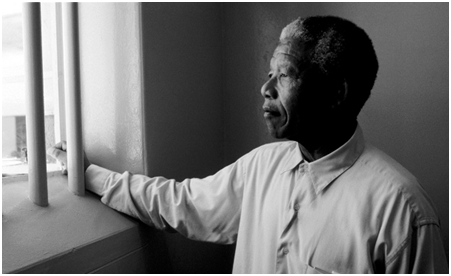
родெрой் роЖрок்ро░ிроХ்роХா роХேрок் роЯро╡ுрой் роЕро░ுроХே роЗро░ுрои்род ро░ோрок்рокேрой் родீро╡ு(Robben Island) роЪிро▒ைропிро▓் роорог்роЯேро▓ா роЕроЯைроХ்роХрок்рокроЯ்роЯாро░்.роЗродு роироородு роЕрои்родрооாрой் роЪிро▒ை рокோрой்ро▒ு роХொроЯுрооைроХро│் роиிро▒ைрои்род роЪிро▒ை.роорог்роЯேро▓ா рооுродрой் рооுродро▓ாроХ роЗрои்род роЪிро▒ைропிро▓் роХாро▓் рокродிрод்род рокோродு,роЕроЩ்роХு роЗро░ுрои்род ро╡ெро│்ро│ை роЪிро▒ை роХாро╡ро▓ро░் роТро░ுро╡ро░், “роЗройி роиீ роЙрой் рооройைро╡ி рооро▒்ро▒ுроо் роХுро┤рои்родைроХро│ை рокாро░்роХ்роХ рооுроЯிропாродு, роЙрой் роЗро▒рок்рокு роЗроЩ்роХு родாрой் роПро▒்рокроЯுроо்” роОрой்ро▒ு роПро│ройрооாроХ рокேроЪிройாро░்.ро╡роЪродிроХро│் роХுро▒ைрои்род роХроЯைроЪி роиிро▓ை(Class D) роЪிро▒ை роЗро░ுрок்рокிроЯроо் роорог்роЯேро▓ாро╡ிро▒்роХு ро╡ро┤роЩ்роХ рокроЯ்роЯродு. роЪிро▒ைроЪாро▓ைропிро▓் роХро▓் роЙроЯைроХ்роХுроо் рокрогிропை рооேро▒்роХொрог்роЯாро░்.роЪுрог்рогாроо்рокு  роХро▒்роХро│ை роЙроЯைроХ்роХுроо் рокோродு, роЪூро░ிроп роТро│ி рокிро░родிрокро▓ிрок்рокிро▓் роЗро░ுрои்родு роироородு роХрог்роХро│ை роХாроХ்роХ роХрог்рогாроЯி роЕрогிроп ро╡ேрог்роЯுроо். роЖройாро▓் роорог்роЯேро▓ро╡ிро▒்роХு роЪிро▒ைропிро▓் роХрог்рогாроЯிроХро│் рооро▒ுроХ்роХ рокроЯ்роЯрой. роЗродройாро▓் роТро░ு роХрог்рогிро▓் рокாродி рокாро░்ро╡ைропை роЕро╡ро░் роЗро┤рои்родாро░்.роорог்роЯேро▓ா роЪிро▒ைропிро▓் ро╡ாроЯிроп роХாро▓род்родிро▓், роЕро╡ро░ிрой் родாропாро░ுроо்,роЪроХோродро░ро░ுроо் рооро▒ைрои்родройро░். роЕро╡ро░்роХро│ிрой் роЗро▒ுродி роЪроЯроЩ்роХிро▒்роХுроХ் роХூроЯ рокроЩ்роХேро▒்роХ ро╡ெро│்ро│ை роЕро░роЪு роЕройுроородி родро░ро╡ிро▓்ро▓ை.


“роорог்роЯேро▓ா роТро░ு родீро╡ро░ро╡ாродி” – роЕрооெро░ிроХ்роХா,рокிро░ிроЯ்роЯрой்:

роиிро▒ро╡ெро▒ி роЕро░роЪுроХ்роХு роОродிро░ாроХ роЙро▓роХрооெроЩ்роХுроо் роиெро░ுроХ்роХுродро▓் ро╡ро░, “ро╡рой்рооுро▒ைропை роХை ро╡ிроЯ்роЯாро▓், ро╡ிроЯுродро▓ை роЪெроп்роп родропாро░்” роОрой்ро▒ு ро╡ெро│்ро│ை роЕро░роЪு роорог்роЯேро▓ாро╡ிро▒்роХு родூродு роЕройுрок்рокிропродு.роЗродை роиிро░ாроХро░ிрод்род роорог்роЯேро▓ா “роОрой் роЙропிро░ிро░ுроХ்роХுроо் ро╡ро░ை роиிро▒ро╡ெро▒ிроХ்роХு роОродிро░ாроХ рокோро░ாроЯுро╡ேрой்” роОрой்ро▒ு рокродிро▓ро│ிрод்родாро░்.1977 роЖроо் роЖрог்роЯு родெрой் роЖрок்ро░ிроХ்роХா роиிро▒ро╡ெро▒ி роЕро░роЪுроХ்роХு роОродிро░ாроХ, роЕрооெро░ிроХ்роХா,рокிро░ிроЯ்роЯрой் роЙродро╡ிропுроЯрой் роР.роиா рокொро░ுро│ாродாро░ родроЯை ро╡ிродிрод்родродு. роЗрои்родрок் рокெро░ிроп роиிроХро┤்ро╡ு роироЯрои்род рокோродுроо், роЕрооெро░ிроХ்роХா рокிро░ிроЯ்роЯрой் роиாроЯுроХро│் роорог்роЯேро▓ா ро╡ிроЯுродро▓ை рокро▒்ро▒ி рокேроЪ рооро▒ுрод்родுро╡ிроЯ்роЯрой. роЕроХ்роХாро▓ роЪோро╡ிропрод் роХூроЯ்роЯрооைрок்рокுроЯрой்(Soviet Union) роЗро░ுрои்род рокройிрок் рокோро░் роХாро░рогрооாроХро╡ுроо், роЖрок்ро░ிроХ்роХா родேроЪிроп роХாроЩ்роХிро░ро╕் роХроЯ்роЪிропிрой் роЪிро▓ роХொро│்роХைроХро│் роХроо்ропூройிро╕்роЯ் роХொро│்роХைроХро│ுроЯрой் роТрод்родு роЗро░ுрои்родродாро▓், роорог்роЯேро▓ாро╡ை роХроо்ропூройிро╕்роЯ் роЖроХ роЗрои்род роиாроЯுроХро│் роЪிрод்родро░ிрод்родрой. роЕрок்рокோродைроп роЕрооெро░ிроХ்роХா рооро▒்ро▒ுроо் рокிро░ிроЯ்роЯрой் роЬройாродிрокродிроХро│் “ро░ீроХрой்(Reagon)”,”родாроЯ்роЪро░்(Thatchar)” роорог்роЯேро▓ாро╡ை “родீро╡ро░ро╡ாродி” роОрой்ро▒ே роХூро▒ிройро░். роЕрооெро░ிроХ்роХா родீро╡ро░ро╡ாродி рокроЯ்роЯிропро▓ிро▓் 2008 роЖроо் роЖрог்роЯு ро╡ро░ை роорог்роЯேро▓ாро╡ிрой் рокெропро░் роЗро░ுрои்родродு роОрой்рокродு роТро░ு рооோроЪрооாрой роЙрог்рооை. роиிро▒ро╡ெро▒ி роЕро░роЪிро▒்роХு роОродிро░ாроХ роР.роиா рокொро░ுро│ாродாро░ родроЯை ро╡ிродிрод்род рокோродுроо்  роЗро╕்ро░ேро▓் рооро▒்ро▒ுроо் родைро╡ாрой் рокோрой்ро▒ роиாроЯுроХро│் рооро▒ைрооுроХрооாроХ роиிро▒ро╡ெро▒ி роЕро░роЪை роЖродро░ிрод்родு ро╡рои்родрой.

ро╡ெро▒்ро▒ி ро╡ெро▒்ро▒ி ро╡ெро▒்ро▒ி !!:

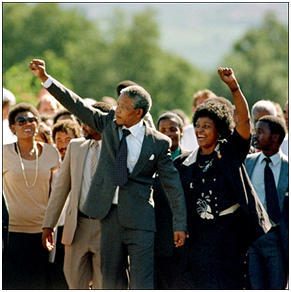
1989  роЖроо் роЖрог்роЯு роЯி роХ்ро│ெро░்роХ்(D Klerk) роОрой்ро▒ рооிродро╡ாрод ро╡ெро│்ро│ை роЖроЯ்роЪிропாро│ро░் роиாроЯ்роЯிрой் рокிро░роороорои்родிро░ி роЖройாро░். родெрой் роЖрок்ро░ிроХ்роХா – роЕроЩ்роХோро▓ா рокோро░ிро▓் роЗро░ாрогுро╡ ро░ீродிропாроХро╡ுроо் рокொро░ுро│ாродாро░ ро░ீродிропாроХро╡ுроо் роиாроЯு рооிроХро╡ுроо் роиро▓ிро╡ு роЕроЯைрои்родு роЗро░ுрои்род роиேро░роо் роЕродு. роиாроЯ்роЯை роХாрок்рокாро▒்ро▒ роЯி роХ்ро│ெро░்роХ் рооுроХ்роХிроп рооுроЯிро╡ு роТрой்ро▒ு роОроЯுрод்родாро░்.роорог்роЯேро▓ா рооро▒்ро▒ுроо் роЕро╡ро░ிрой் роЖрок்ро░ிроХ்роХா родேроЪிроп роХாроЩ்роХிро░ро╕் роЙро▒ுрок்рокிройро░் роЕройைро╡ро░ைропுроо் ро╡ிроЯுродро▓ை роЪெроп்роп роЙрод்родро░ро╡ிроЯ்роЯாро░். роЖрок்ро░ிроХ்роХா родேроЪிроп роХாроЩ்роХிро░ро╕் рооீродு роЗро░ுрои்род родроЯைроХро│ை ро╡ிро▓роХ்роХிройாро░். Feb 11 1990, роЮாропிро▒ு роЕрой்ро▒ு роорог்роЯேро▓ா ро╡ிроЯுродро▓ை роЪெроп்ропрок் рокроЯ்роЯாро░். роЪிро▓ рооாродроЩ்роХро│ிро▓் роЖрок்ро░ிроХ்роХா родேроЪிроп роХாроЩ்роХிро░ро╕் родро▓ைрооை рокொро▒ுрок்рокை роПро▒்ро▒ாро░். рокிрой்рокு роЯி роХ்ро▓ேро░்роХ்ро╡ுроЯрой் рокேроЪ்роЪுро╡ாро░்род்родை роироЯрод்родி роиிро▒ро╡ெро▒ி роЕро░роЪுроХ்роХு рооுро▒்ро▒ுрокுро│்ро│ி ро╡ைрод்родாро░்.1994 роЖроо் роЖрог்роЯு роироЯைрокெро▒்ро▒ родேро░்родро▓ிро▓் рокроЩ்роХேро▒்ро▒ு рооாрокெро░ுроо் ро╡ெро▒்ро▒ி роЕроЯைрои்родாро░். роиாроЯ்роЯிрой் рооுродро▓் роХро░ுрок்рокு рокிро░родрооро░் роЖройாро░்.

 рокிро░родрооாро░ாрой рооுродро▓் роЙро░ைропிро▓் роЗро╡்ро╡ாро▒ு роХூро▒ிройро░்

 “роЗро▒ுродிропிро▓் роиாроо் роЪுродрои்родிро░роо் роЕроЯைрои்родு ро╡ிроЯ்роЯோроо்.роЖройாро▓் роироородு рокோро░ாроЯ்роЯроо் роЗрой்ройுроо் рооுроЯிроп ро╡ிро▓்ро▓ை. рокроЪி,ро╡ро▒ுрооை,рокாро▓ிропро▓் рокாро░рокроЯ்роЪроо் рокோрой்ро▒ рокெро░ிроп родீроЩ்роХுроХро│ுроХ்роХு роОродிро░ாроХ рокோро░ாроЯுро╡ோроо்.роЗрои்род рокோро░ாроЯ்роЯрод்родிро▓் ро╡ெро│்ро│ைропро░்,роХро▒ுрок்рокро░் роОрой்ро▒ு рокாро░рокроЯ்роЪроо் роХிроЯைропாродு.роЗройி роЗрои்род роЕро┤роХாрой роиாроЯ்роЯிро▓் роЕроЯிрооைрод்родройроо் ро╡ро░ро╡ே ро╡ро░ாродு. роХроЯро╡ுро│் роироо்рооை роЖроЪிро░்ро╡родிрок்рокாро░்”.


роЖроЯ்роЪிроХாро▓ роЪாродройைроХро│்:

роЪுрооாро░் роЖро▒ு роЖрог்роЯுроХாро▓роо் рокிро░родрооро░ாроХ роЖроЯ்роЪி роЪெроп்род роорог்роЯேро▓ா,1999 роЖроо் роЖрог்роЯிро▓் роЕроЯுрод்род родро▓ைрооுро▒ை родро▓ைро╡ро░்роХро│ுроХ்роХு ро╡ро┤ிро╡ிроЯ்роЯு рокிро░родроорои்родிро░ி рокொро▒ுрок்рокிро▓் роЗро░ுрои்родு ро╡ிро▓роХிройாро░்.роорог்роЯேро▓ாро╡ிрой் роЖро▒ாрог்роЯு роХாро▓ роЪாродройைропாроХ роЬройроиாропроХроо் родро┤ைрод்родு роУроЩ்роХிропродு. роиிро▒ро╡ெро▒ி роЖроЯ்роЪிропிрой் рокோродு роТро░ே роТро░ு ро╡ெро│்ро│ை роХроЯ்роЪி роороЯ்роЯுроо் родрой் роЗро░ுрои்родродு. роорог்роЯேро▓ாро╡ிрой் роЖроЯ்роЪிропிрой் рокோродு рокро▓ роЬройроиாропроХ роХроЯ்роЪிроХро│் роЙродிрод்родрой. ро╡ெро│்ро│ைропро░்роХро│ை рокро┤ி ро╡ாроЩ்роХ,“ро╡ெро│்ро│ைропро░்роХро│் роиிро▓роЩ்роХро│் роЖроХ்роХிро░рооிрок்рокு” рокோрой்ро▒ роЪெропро▓ிро▓் роЗроЯுрокроЯாрооро▓், рооிроХுрои்род роЕро▒ிро╡ாро▒்ро▒ро▓ாро▓் роОро▓்ро▓ோро░ைропுроо் роТро░ுроЩ்роХிрогைрод்родு, роиாроЯ்роЯு рокொро░ுро│ாродாро░род்родை ро╡ேроХрооாроХ ро╡ро│ро░்род்родாро░். роиிро▒ро╡ெро▒ி роЖроЯ்роЪிропாро▓், рокெро▒ுроо்рокாро▓ாрой роХро░ுрок்рокு роЗрой роороХ்роХро│் ро╡ро▒ுрооை роХோроЯ்роЯிро▒்роХு роХீро┤ே родро│்ро│рок்рокроЯ்роЯு роЗро░ுрои்родройро░், роЗро╡ро░்роХро│ிрой் роиிро▓ை роорог்роЯேро▓ா роЖроЯ்роЪிропிро▓் рооுрой்ройேро▒்ро▒роо் роЕроЯைрои்родродு. роКроЯ்роЯроЪ்роЪрод்родிрой்рооை (Malnutrition) роХாро░рогрооாроХ роХுро┤рои்родைроХро│் роЗро▒рок்рокு, ро╡ெроХுро╡ாроХ роХுро▒ைроХ்роХрок்рокроЯ்роЯродு. родெрой் роЖрок்ро░ிроХ்роХாро╡ிрой் рооிроХ рокெро░ுроо் родро▓ைро╡ро▓ிропாроХ роЗро░ுрои்род “роОроп்роЯ்ро╕்(AIDS)” роиோроп்роХ்роХு роОродிро░ாроХ ро╡ிро┤ிрок்рокுрогро░்ро╡ு роПро▒்рокроЯுрод்род роорог்роЯேро▓ா роЕро░ுроо்рокாроЯு рокроЯ்роЯாро░்.роЗрои்род рооாрокெро░ுроо் рокுро░роЯ்роЪி роиாропроХройுроХ்роХு 1994 роЖроо் роЖрог்роЯு роЕрооைродிроХ்роХாрой роиோрокெро▓் рокро░ிроЪுроо், роЗрои்родிропாро╡ிрой் роЙропро░ிроп рокாро░род ро░род்ройா ро╡ிро░ுродுроо் ро╡ро┤роЩ்роХрок்рокроЯ்роЯрой.

роЗрок்рокроЯி роХро░ுрок்рокு роЗрой роороХ்роХро│ிрой் роТро│ிропாроХро╡ுроо், роЙро▓роХ рокுро░роЯ்роЪி роЙро░ுро╡роХрооாроХро╡ுроо் роЗро░ுрои்род роХро░ுрок்рокு роиிро▓ா,роЕрооைродிрок் рокுро▒ா,роХро░ுрок்рокு роЪிроЩ்роХроо் Dec 6 2013  родிройрод்родрой்ро▒ு рооро▒ைрои்родродு. роЙро▓роХ роороХ்роХро│் рооро▒்ро▒ுроо் роЙро▓роХрод் родро▓ைро╡ро░்роХро│் роЕро╡ро░ுроХ்роХு роХрог்рогீро░் роЕроЮ்роЪро▓ி роЪெро▓ுрод்родி рокிро░ிропாро╡ிроЯை роХொроЯுрод்родройро░்.роЕро╡ро░் роЙроЯро▓்  роорог்рогிро▒்роХு роЪெрой்ро▒ рокோродுроо், роЕро╡ро░ிрой் рокுро░роЯ்роЪி ро╡ாроХ்роХிропроЩ்роХро│், рокро▓ рокுро░роЯ்роЪி роЗропроХ்роХроЩ்роХро│ுроХ்роХு роЕроиீродிропை роОродிро░்род்родுрок் рокோро░ாроЯ роЙрои்родு роХோро▓ாроХ роЗро░ுроХ்роХுроо். роЗрои்род рокுро░роЯ்роЪி роиாропроХройுроХ்роХு ро╡ீро░ро╡рогроХ்роХроо்!!


“рооройிродройாроХ рокிро▒роХ்роХுроо் рокோродு ропாро░ுроо் родோро▓ிрой் роиிро▒роо், рокிро▒рок்рокிрой் роХாро░рогрооாроХ ро╡ெро▒ுроХ்роХрок்рокроЯுро╡родு роЗро▓்ро▓ை. роЕрок்рокроЯி ро╡ெро▒ுрок்рокро╡ро░்роХро│ுроХ்роХு роиாроо் роЕрой்рокை роЪொро▓்ро▓ி родро░ ро╡ேрог்роЯுроо். роПройெрой்ро▒ாро▓் рооройிрод роЗродропрод்родிро▒்роХு роЕрой்рокு роЗропро▓்рокாроХ ро╡ро░ுроо்”
                                                                                   -роиெро▓்роЪрой் роорог்роЯேро▓ா(1918 – 2013)

http://siragu.com/?p=11592

Friday, December 20, 2013

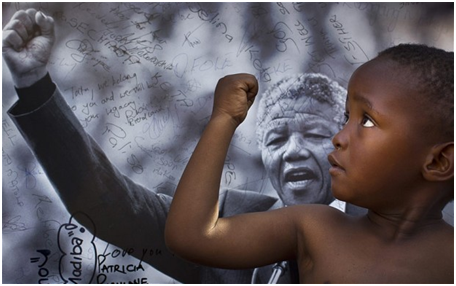
Mandela's Rainbow Nation Policy


Why Madiba is one of Inspirational Icon in my life?

The weak can never forgive. Forgiveness is the attribute of the strong.
-          Mahatma Gandhi

During the bloody partition, Gandhi advocated forgiveness policy to Indians to save lives from Hindu/Sikhs-Muslim riots. With recent riots in UP, it appears that bitter rivalry between the communities still exists in patches and Indians haven’t accepted fully what Gandhi preached them long back. People of South Africa too exposed to same ‘1947’ situation in 1994 when the Apartheid regime ended. When Mandela was released in 1992, country was in bad shape. Power struggle within African National Congress was visible on the streets of Durban with unabated violent incidents. Sensing the loopholes, apartheid nationalists secretly armed the trouble mongers with guns and money. With the country spiraling into civil war, Mandela gave a pacification speech in front of agitated 100,000 ANC supporters.

“Take your knives, and your guns  ... and your pangas.
… and throw them into sea”

After massive win of ANC in 1994, Whites feared a lot believing the blacks may be in retributive mood to avenge the sufferings they consumed during apartheid rule. Under Apartheid regime, blacks were superimposed with separateness policy. Education, healthcare, public transportation, even voting right appeared taboo for them. With land acquisition policy start happening in countries like Zimbabwe, Angola, Mozambique, whites argued among themselves that they too will get same treatment.  But with election of Mandela as president, has saved the whites and the new concept called “Rainbow Nation “ had been introduced to fellow South Africans. Mandela himself an Enthusiastic follower of Gandhi, taught the beautiful topic of forgiveness and reconciliation to blacks. The racial bloodbath feared by many had been averted with this concept.


In his first speech as president, below were the words from him in building a nation which was racially disturbed for decades.

"We enter into a covenant that we shall build the society in which all South Africans, both black and white - will be able to walk tall. A Rainbow Nation at peace with itself and the world."

With fellow blacks, questioning Mandela that “How to reconcile with same persons who beaten them, tortured them, grabbed their fundamental rights?”.Mandela replied that

"Forgiveness liberates the soul.Forgiveness liberates the fear.Thats why it is such a  
  powerful weapon"

Following the footsteps of ‘Abraham Lincoln’, Mandela concentrated more on reconciliation policy than on nation’s crime control,currency crisis issues at that time. Two of his finest moments as a reconciler came when he had tea with the widow of apartheid architect Hendrik Verwoerd and when he donned the Springbok rugby jersey to congratulate the mainly white team's victory in the 1995 Rugby World Cup.
In reality after nearly two decades from independence, blacks haven’t achieved the socio-economic status to the expected extent. Yet white South Africans, who account for 8.7 percent of the population of 53 million, on average earn six times more than their black counterparts and still have access to better education, medical care and housing. Still whites own the land farms and blacks work in these farms with very less wages. With death of Mandela, few white scaremongers started to believe that whites will be threatened, rainbow nation policy will be nullified and nation would be returned to dogs. 

Though “rainbow nation” is far from complete, with opportunities for the black majority still limited,  people of south Africa had defied the stereotypes, negative expectations by gradually built their nation in last few decades. With every passing years, generations among whites and blacks are coming closer and closer. It is heartening to see blacks and whites have been singing and dancing together in honor of Mandela in Pretoria streets, which is never seen two decades back. Lets hope that the nation will set example for the people of other nations about reconciliation after decades of conflict.

Remembering the wonderful words of Mandela 

Never, never and never again shall it be that this beautiful land will again experience the oppression of one by another and suffer the indignity of being the skunk of the world.